
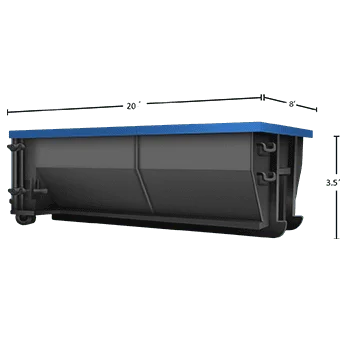
Choose a container for the material and loading task
A rented dumpster holds accepted waste while a cleanout or project is underway, then carries that load away for disposal. Household clear-outs, renovation debris and construction materials can need different container and acceptance decisions. Describe both the amount and type: bulky material occupies space, whereas dense material may reach the allowed weight before the container looks full.
Ask the quote to state the container, delivery, loading period, allowed material or weight, disposal collection and any terms for additional time or loads. Confirm loading responsibility; bringing a container does not automatically include carrying items out of a building. Obtain instructions for uncertain materials before adding them, and keep the agreed fill and collection conditions available to everyone loading.
Separate material questions early
A dumpster enquiry begins with the material and the people loading it. Explain the cleanout or work phase so the provider can discuss an appropriate container and handling instructions.
List general debris, dense material and anything that may need a different disposal arrangement. Ask about prohibited or restricted items before helpers start loading. Do not treat a container as permission to mix liquids, chemicals, batteries or unknown waste into a general load.
Plan collection with the site schedule
Describe the standing surface and the approach for the collection vehicle. Review loading limits, hire period and pickup arrangements with the provider. Keep the container away from restroom doors and walking routes, and tell the provider if material or access changes during the job.